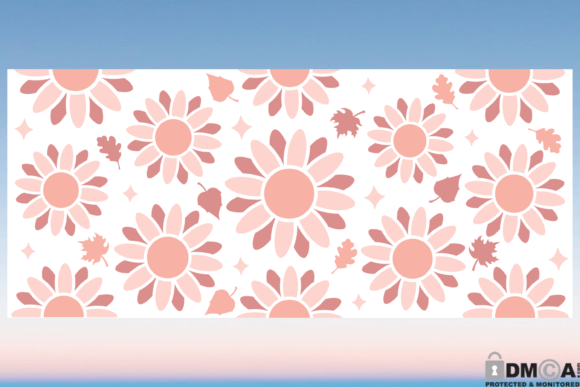
Fall Floral 16oz Libbey Glass Wrap SVG
As a designer who’s stitched hundreds of seasonal motifs—from delicate spring florals to bold holiday wreaths—I opened Fall Floral 16oz Libbey Glass Wrap SVG expecting something cheerful but generic. Instead, I found a quietly confident design: balanced, intentional, and built for real-world use—not just digital display. It’s not just another autumn clipart bundle. This is a Print Templates asset that thinks like an embroidery designer.
A Design That Breathes on Fabric
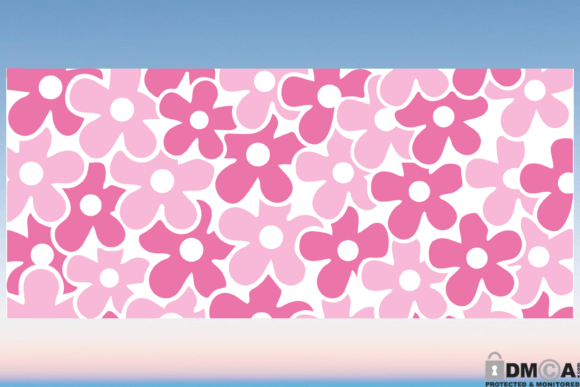
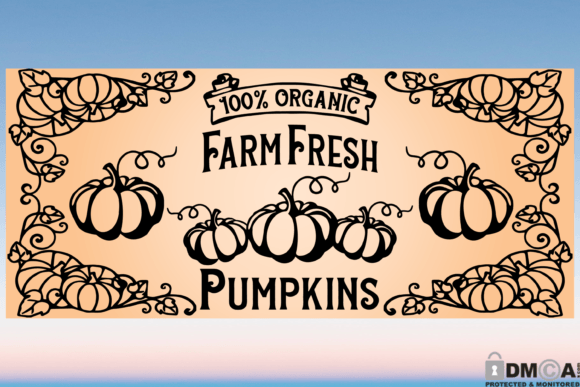
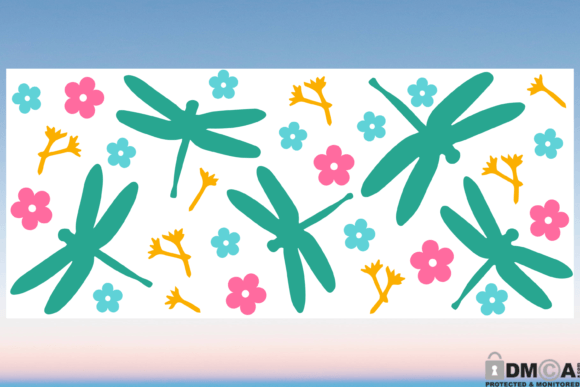
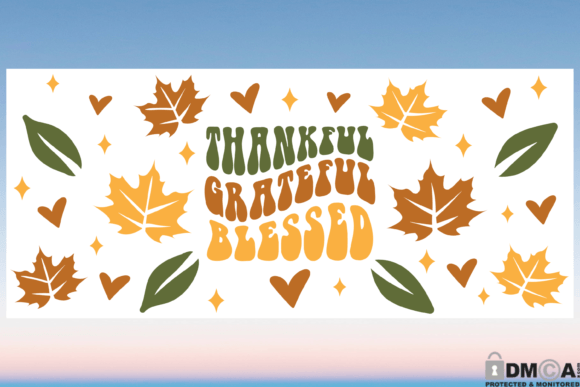
The first thing I noticed wasn’t the pumpkins or leaves—it was the negative space. The layout wraps cleanly around a vertical cylinder (like a 16oz Libbey glass), but the floral elements—soft chrysanthemums, slender eucalyptus stems, and subtle maple accents—are spaced with breathing room between them. That spacing matters deeply in machine embroidery design. Too tight, and fill stitch bleeding ruins definition; too loose, and the motif feels disconnected. Here, the rhythm feels natural—not forced into symmetry, but guided by organic flow.
I immediately pictured it stitched onto a heavyweight cotton canvas tote bag for a local farmers’ market vendor. Not as a full-wrap vinyl decal, but as a centered, top-stitched embroidery panel near the handle strap—where the design reads clearly without competing with seams or pockets. That’s where Fall Floral 16oz Libbey Glass Wrap SVG shines: as a refined accent, not a background filler.
Where It Stitches Well—And Where It Needs Care
This isn’t a one-size-fits-all embroidery file. Its strength lies in mid-to-large scale applications: sweatshirt embroidery on crewnecks, pillow covers with linen-blend fabric, aprons for boutique bakeries, and tea towels meant for gifting. On stable, medium-weight fabrics—think 100% cotton twill, brushed poly-cotton blends, or even light denim—the satin stitch petals hold crisp edges, and the running-stitch vines read cleanly without excessive density.
But be thoughtful with placement. On stretchy fabric like jersey knit t-shirts? Add cutaway stabilizer *under* and tear-away *on top*, and reduce stitch density slightly in the floral centers if your machine allows. On dark fabric, test thread colors first—cream or oatmeal tones lift the autumn palette beautifully, while charcoal gray thread can mute the warmth. And avoid using it directly on curved surfaces like cap fronts unless you’re willing to break the wrap into two balanced segments—this design assumes a flat-to-slightly-curved plane, not full 3D contouring.
What It Adds to Your Handmade Product—and What It Doesn’t
Used intentionally, Fall Floral 16oz Libbey Glass Wrap SVG elevates perceived value. A simple kitchen towel becomes a curated holiday hostess gift. A plain baby onesie transforms into a keepsake-worthy nursery piece—especially when paired with soft pastel thread and gentle fill stitch density. Customers respond to that quiet intentionality: it signals care, not just craft.
It doesn’t, however, function well as a tiny embroidered patch (under 3” wide) without simplification—some leaf details and petal layering will collapse at small scales. Nor does it lend itself to dense applique design without manual cleanup: the overlapping stems and layered blossoms assume clean vector separation, not fabric-layer nesting. If you’re building an embroidered patch from this, plan time to isolate and simplify key elements manually.
Practical Notes Every Embroidery Designer Should Check
- Always test on scrap fabric first—especially with textured weaves or blended fibers. What looks sharp on screen may blur slightly in stitch.
- Review stitch density before scaling. Larger versions may need adjusted underlay or reduced fill angles to prevent puckering on lightweight cotton.
- Confirm hoop size compatibility. While the SVG format is flexible, the physical stitch area must fit your standard hoop—check dimensions before digitizing or sending to your embroidery software.
- Inspect small details: those fine vine tips and inner flower stamens are charming, but they’ll vanish on low-thread-count fabric or with coarse embroidery thread.
- Test in black-and-white mockups—not just color. Does the contrast hold up on cream linen? Does it disappear against heather gray?
- Use proper stabilizer for your base fabric—not just “medium weight,” but what your specific project demands: cutaway for knits, tear-away for stable wovens, water-soluble for delicate layers.
- Verify licensing before selling finished items or bundling the file with your own digital embroidery file offerings. Since this is labeled a Graphics digital download, commercial use of the *finished embroidered product* is likely permitted—but reselling or redistributing the SVG itself requires explicit permission.
Beyond the Hoop: Branding, Trust, and Buyer Engagement
For Etsy sellers and small shop owners, this design works because it feels cohesive—not trendy, not dated. It supports brand consistency across fall-themed listings: same floral rhythm on a tea towel, matching embroidery on a linen napkin set, and scaled-down version on a baby bib. That visual continuity builds trust. Buyers recognize intention. They don’t see “SVG file used”; they see “designed for this season, for this purpose.”
It also performs well in printable mockups—clean lines, consistent stroke weights, and balanced proportions mean your product photos look professional without heavy editing. That matters for social media previews, email newsletters, and craft fair signage. When your digital embroidery file translates cleanly to screen *and* stitch, your handmade product gains credibility before the first thread is cut.
A Final Thought for Creative Entrepreneurs
Fall Floral 16oz Libbey Glass Wrap SVG won’t replace your custom-drawn motifs—but it might become your go-to seasonal anchor. It’s the kind of Print Templates asset that saves hours without sacrificing character. Use it as-is for quick-turn holiday gifts, adapt it thoughtfully for boutique merchandise, or deconstruct it for inspiration in your next original embroidery project. Just remember: great design isn’t about complexity—it’s about clarity, context, and care in execution. This one earns its place in the working library.